
What to Open in an Older Tampa Home Before Replacing Ducts
Photograph attic access, returns, and the rooms that never catch up in an older Tampa Bay house before you approve a duct rip-out.
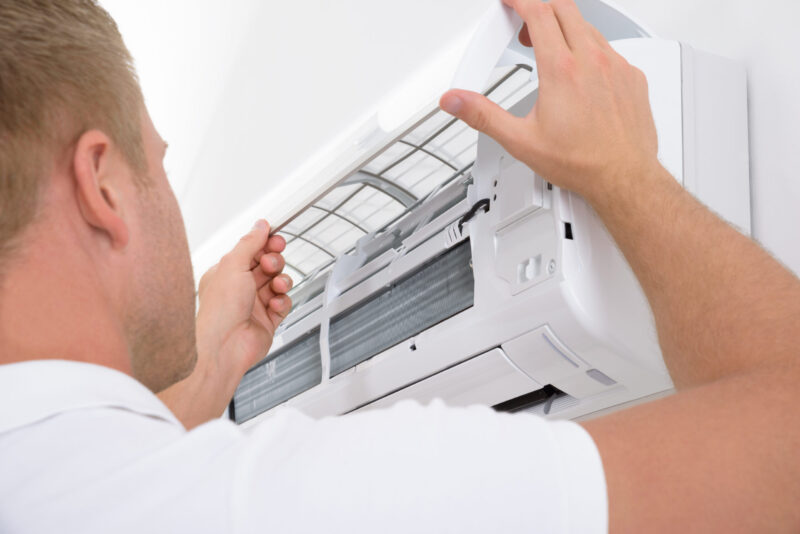
Open the attic, the returns, and the rooms that lag first
Before you approve a duct replace on an older Tampa house, we want the attic hatch open, the returns photographed, and the lagging rooms named. Hillsborough and Pinellas homes often mix original trunks, later flex, and lanai conversions that never got a return. A rip-out can be right. It can also be an expensive answer to one disconnected boot or a closet that blocked the only return.
Write which rooms fail, at what time of day, and whether supply air at the closest register is actually cold. Equipment that never cools still belongs on A/C repair before anyone prices a new network.
Distribution repair lives under air duct and vent repair. Replacement should say which of those problems it is actually solving, not hide them inside a lump sum.
Map returns, supplies, and attic access
Walk every supply and return you can see. Note closed doors on a single-return house. Note lanai conversions and garage apartments that inherited the original system without inheriting a return.
Photograph attic access, platform height, and damaged flex you can see without tearing finishes. Access controls labor. A job you cannot reach without opening ceilings is a different price than an open garage attic.
Thermostat location can mimic a duct problem. If the hall sensor is satisfied while the west bedroom bakes, read sensor placement before you assume every run must go.
Leaks, insulation, and the equipment it connects to
Leaky joints in a hot attic steal capacity. Missing insulation on supply runs does the same. Those repairs can be local. They do not automatically require a whole-house rip-out. Ask for a leak and layout report before a replacement number.
The air handler and outdoor unit have to match the new network. New ducts on a failing condenser waste the metal. Sizing and replacement scope are discussed in AC replacement sizing and what a new system scope should include for ducts and insulation.
A new trunk with a starved return will still run long and stay humid. Humidity leftover after airflow is fixed may need dehumidifier services, not another round of flex.
Occupied houses, dust, and one-room alternatives
Occupied homes need a room sequence and a plan for which spaces can go without air. Write which rooms must stay livable. Afternoon storm weeks are a bad time to leave a house open to attic air without a temporary plan.
A single isolated wing can be a better ductless candidate than a full replacement through a finished attic. Compare that path with mini-split repair after the central path has been inspected.
Renovation dust and odor after a duct job are follow-up air questions, not a substitute for sealing the new network. See indoor air assessment when that is the remaining complaint. Related walkthrough notes are in indoor air assessment.
What the replacement scope should spell out
Name which runs are new, which are reused, return upgrades, insulation, register changes, testing after install, and how the attic will be left. Optional cosmetic registers stay optional. A second condition found after a ceiling opens should appear as its own written change.
Maintenance after a new network still matters. Plans live on maintenance plans. Company background is on about.
Call (813) 400-0123 or use contact us. Send attic access photos, the worst room, and the filter slot. We would rather repair the failed run than sell a whole-house replacement because the attic looked messy on a phone camera.
When replacement is the right call
Widespread deteriorated flex, disconnected trunks, additions with no return path, and networks that cannot be sealed or reached are fair replacement cases. Age of the house alone is not. Tie the decision to the failure pattern you can point at.
More notes sit on the blog, including the comfort symptom quiz when you are still sorting equipment versus ducts versus humidity.
Check airflow, equipment, access, and the rooms that fail. Then decide. That order keeps an older Tampa Bay house from getting a duct replacement it did not need.