A New AC Guarantee Does Not Cover Every Comfort Problem in the House
Eskimo Bros publishes clear replacement-guarantee boundaries involving ductwork, insulation, maintenance, thermostat use, home changes, and written reporting.
The new system still has to work with the rest of the house
A homeowner can replace the air conditioner and still own the same house. The ductwork may remain. The attic insulation may remain. The west-facing windows, room layout, thermostat habits, and afternoon sun exposure may remain too. That distinction matters when the new system begins operating.
We publish a satisfaction guarantee tied to the performance described during our initial assessment, proper heat-load calculations, and correct system setup. We also publish specific boundaries involving ductwork that was not completely replaced, inadequate insulation, thermostat misuse, neglected maintenance, changes made to the house, and concerns outside the agreed installation scope.
The guarantee is strongest when you understand exactly what the replacement project included. Learn more about us and how those terms sit beside our service work.
Begin with the written installation scope
The proposal should identify more than the outdoor-unit model. A useful replacement scope may address condenser or heat-pump equipment, air handler or furnace, thermostat, refrigerant lines, drain and safety controls, electrical connections, equipment pad or mounting, return and supply connections, duct modifications, filtration, startup testing, permit and inspection steps, labor coverage, manufacturer registration, and any extended warranty.
The scope should also identify what is staying. If most of the duct system remains untouched, write that down. If the thermostat is being reused, note it. If no insulation, windows, or building-envelope work is included, those conditions remain part of the home's performance after the new equipment is installed. You should not have to reconstruct the project boundaries after a comfort concern appears.
Equipment sizing starts with the house as it exists
Our guarantee begins with a proper heat-load calculation and equipment setup. That calculation needs accurate information about the property. Tell the estimator about recent window replacement, planned additions, garage or porch conversions, removed shade trees, new skylights, changes to walls or doors, added occupants, rooms rarely used, rooms that have always been difficult, future insulation work, existing duct concerns, and thermostat location.
A replacement selected for today's house may respond differently after you add a large glass door, enclose a porch, remove shade, or change the floor plan. We specifically exclude later changes to the home that affect system performance from the published guarantee. That does not mean you can never renovate. It means HVAC performance should be reconsidered when the building changes.
Ductwork and insulation can limit a correctly sized system
The air conditioner creates conditioned air. The ducts have to deliver it. A room can remain uncomfortable because a duct is damaged, restricted, disconnected, undersized, poorly routed, or unable to provide a usable return path. Replacing the condenser and air handler does not automatically rebuild every hidden run in the attic.
We publish air duct and vent repair as a separate service. Our diagnostic process can involve inspecting for leaks, blockages, loose connections, damaged sections, and airflow problems before presenting repair options. Ask during replacement planning whether the duct system was visually inspected, whether airflow readings were taken, which sections are included in the proposal, whether the return system is being changed, whether any rooms are expected to remain difficult, whether the scope includes balancing, which concerns are outside the replacement, and whether complete duct replacement would materially change the guarantee terms.
Our published guarantee says airflow concerns are excluded unless the ductwork was completely replaced. That boundary should be discussed before installation, not discovered afterward. Insulation affects the load the equipment has to carry in the same way. A cooling system removes heat and moisture from the house. It cannot stop heat from entering through an under-insulated attic, exposed wall, older glass, or another weak part of the building. Temperature dissatisfaction connected to inadequate insulation or ductwork sits outside the published guarantee.
When the estimator identifies a likely building issue, ask which room or surface appears most affected, whether the concern is based on measurement or visual observation, whether another qualified contractor should evaluate the insulation, whether the AC proposal assumes that work will be completed, what performance limitation may remain without it, whether HVAC installation should wait for another project, and whether later insulation work will change thermostat settings or airflow needs.
Thermostat use and maintenance belong in the guarantee relationship
A new system can be installed correctly and operated poorly. We list thermostat misuse among the items excluded from the published guarantee. That makes the final walkthrough important. Know which mode to use, how the fan setting works, how scheduling works, appropriate temperature changes, how long recovery may take, which humidity setting applies, how to recognize a thermostat alert, when to replace batteries, how remote sensors work, what happens after a power interruption, and which settings should not be changed casually.
Save the thermostat manual or app login with the HVAC records. When several people control the system, agree on a normal schedule. Related control work sits under thermostat repair and installation.
We publish three maintenance plans with one or two annual visits, a 15-point inspection, thermostat calibration, filter provisions that vary by plan, and different repair and scheduling benefits. The guarantee excludes concerns resulting from neglect or lack of proper maintenance. Keep records of filter changes, professional maintenance, drain service, repairs, thermostat changes, storm-related shutdowns, warranty claims, written comfort concerns, equipment modifications, and renovations affecting the home.
Submit recurring concerns in writing and review coverage separately
Our guarantee requires qualifying issues to be submitted in writing. A useful written report should include the installation address, date the issue began, rooms affected, time of day, thermostat setting, indoor temperature, outdoor conditions if known, whether the concern repeats, photographs or video where useful, recent maintenance, changes made to the house, and previous service dates. Avoid sending only that the AC is not right.
We exclude non-recurring or one-off issues from the published guarantee. A single unusual event may follow a power interruption, extreme occupancy, open doors, a thermostat change, or another temporary condition. A recurring pattern deserves stronger documentation, such as the same bedroom staying warm every sunny afternoon, repeated drainage shutdowns, the same component failing more than once, a thermostat losing communication weekly, humidity rising under similar conditions, or the same electrical fault returning.
We currently publish general repair coverage of 90 days for parts and labor, drain-line clearing coverage of 30 days, and a one-year labor warranty from the original installation date. Those terms are not all the same. Confirm the current written terms on the actual proposal because policies can change, and other manufacturer or extended warranties may have separate requirements. Florida license CAC1823715.
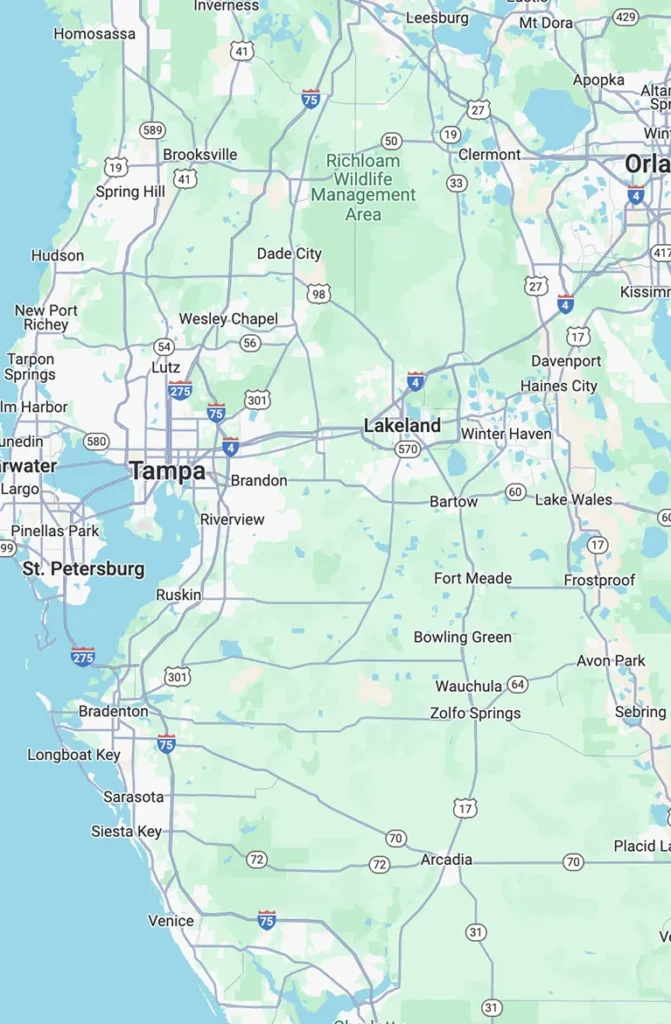
Current cooling problems can also be evaluated through A/C repair, with related help under indoor air assessment, dehumidifier services, and financing options. We serve Greater Tampa Bay and Southwest Florida. Call (813) 400-0123 or use contact us.