
How to Check Indoor Air Before You Call for AC Repair
Odors, dust spikes, and clammy rooms on Tampa Bay split systems often start with air path clues. A stepwise indoor check tied to Eskimo Bros indoor air pages.
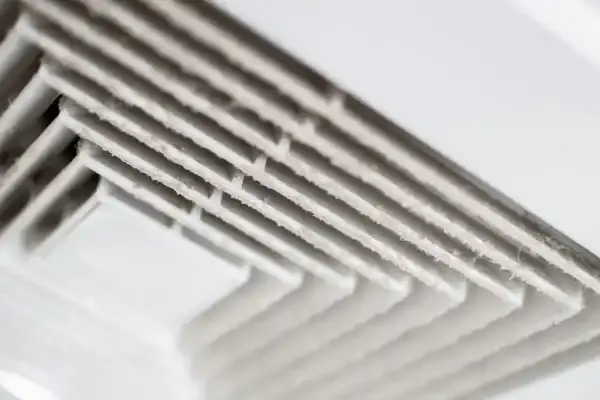
What an indoor air pass is trying to answer
Not every comfort complaint is a refrigerant story. Odors that track with specific registers, allergy spikes when the blower starts, and clamminess that persists after reasonable cooling run time often involve air paths, filtration, and moisture loads moving through the same ducts as sensible cooling across Tampa Bay.
This checklist sorts homeowner observations before you schedule A/C repair. It pairs with professional indoor air assessment when visual checks point past filter swaps alone.
Start on a day when cooling has run several hours and symptoms are repeatable. Write which rooms misbehave and whether outdoor equipment sounds normal during your walk.
Explore outdoor coil clearance when registers feel warm during outdoor runs. Mechanical rejection problems should be ruled out before you blame ducts alone.
Step 1: Filter access and media condition
Locate every filter slot on central returns and air handler doors. Note size labels and last change date before you open grilles.
Loaded media restricts airflow and can shed dust each time the blower starts. Replace or vacuum per maker guidance when media is gray or bowed.
Ductless heads hide filters behind the face panel. Clean those faces on the same calendar pass when central filters are fresh.
Ask about maintenance plans when multiple filter sizes and ductless heads make seasonal changes easy to miss on larger homes.
Photo filter labels and grille locations for phone triage across service area routes.
Step 2: Register and return path walk
Hold a hand at supply registers while the outdoor unit runs. Note weak rooms versus strong rooms on the same system.
Returns blocked by storage, drapes, or closed doors change what the thermostat sees even when equipment is healthy. Move obstructions before you label the system failed.
Explore air duct vent repair when one branch stays weak after filters and returns are clear. Ask about air duct cleaning when dust puffs from a register each cycle.
Compare with return vent warmth when the return grille feels hot during active cooling.
Guest suites with closed doors need cracked doors or transfer grilles during tests so you are not diagnosing isolation as equipment failure.
Step 3: Moisture and odor clues
Clammy fabrics house wide after fair run time may need dehumidification help beyond coil run minutes. Review dehumidifier services when sticky air persists.
Musty odors near a single register suggest boot leaks, trapped moisture, or past drain events at the air handler closet. Note location and time of day.
Laundry and cooking loads add latent moisture that filters never remove. Document whether symptoms worsen after those activities even when cooling runs steadily.
Heat pump homes should confirm cooling mode is active during your walk. See heat pump repair when supply air feels warm house wide during a cooling call.
Water or gurgling at the indoor closet still belongs in drain service from June articles, not only duct review.
Step 4: Mini split zones on the same property
When only a ductless zone misbehaves, keep notes separate from central registers. Photo the head, remote setting, and any error codes visible on the display.
Central duct leakage rarely explains one warm ductless room. Start with mini split repair when isolated heads fail while central areas pass your indoor check.
Open doorways mix air between systems in open floor plans. Note whether closing guest wings changes central humidity readings at the wall thermostat.
Read the July comfort quiz when equipment type and symptoms still feel mixed after this indoor check.
Describe both system types when you call so dispatch does not treat a ductless fault like a central duct issue.
Step 5: Turn notes into the right visit
Use contact us with filter sizes, weak register list, odor locations, and photos of returns and heads. State whether outdoor clearance and fan behavior already look normal.
Professional indoor air assessment adds measurement and duct inspection beyond homeowner visual checks. Schedule it when health triggers or odor persist after filters and returns are addressed.
Return to blog index after you complete the July quiz if symptoms still split across humidity, weak zones, and equipment stops.
Twenty minutes of written observation before the longest humid afternoons often keeps the first visit focused on testing instead of retracing what you already proved at the grille.