
Why Your AC Is Blowing Warm Air Instead of Cold Air
AC blowing warm air usually means your system is running but not actually removing heat from your space. On a sticky afternoon in Sarasota or Bradenton, that goes from annoying to miserable fast,...
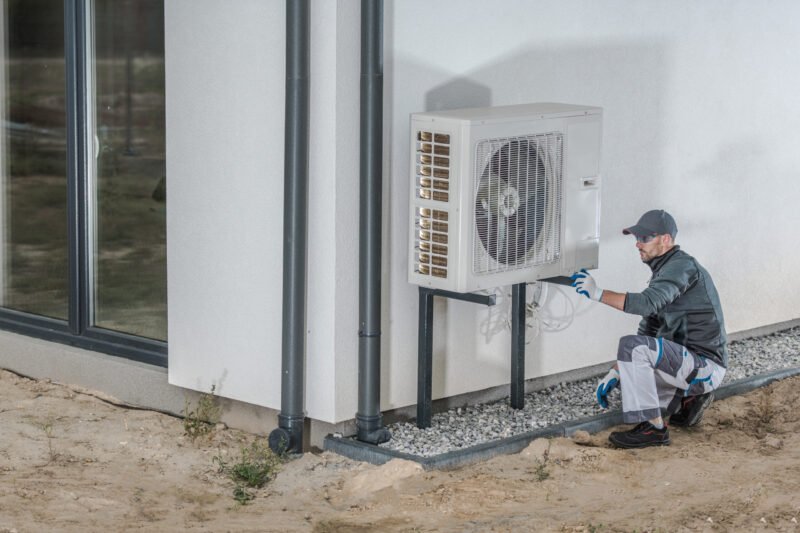
Overview
AC blowing warm air usually means your system is running but not actually removing heat from your space. On a sticky afternoon in Sarasota or Bradenton, that goes from annoying to miserable fast, and the cause might be something simple, or something that needs AC repair right away.
Why your AC is blowing warm air
When your AC kicks on and warm air comes out of the vents, the problem is almost always one of two things: your system is not cooling the air at all, or it is cooling poorly and losing the fight against Florida heat. That distinction matters because a thermostat setting can be fixed in a minute, while a refrigerant leak or failed outdoor component will not get better on its own.
Here’s the thing: an air conditioner is a heat-moving machine. It pulls heat from inside your home or business and dumps that heat outside. If any major part of that process gets interrupted, you still hear the system running, but you do not get the cold air you expect.
Start with the quick things you can check first
Before assuming the worst, start with the easy stuff. A surprising number of warm air calls come down to a setting, a clogged filter, or a breaker that tripped when the outdoor unit tried to start.
Check your thermostat settings
Look at the thermostat first. Make sure it is set to “cool,” not “heat,” and that the temperature setting is lower than the current room temperature.
Also check the fan setting. “Auto” means the fan runs only when the system is actively cooling. “On” means the fan keeps blowing all the time, even between cooling cycles. If the thermostat is set to “on,” you may feel air coming through the vents that seems warm simply because the fan is circulating room-temperature air after the cooling cycle ends.
It sounds basic, but this catches a lot of people. Especially after a power outage, battery swap, or someone bumping the settings without noticing.
Look at your air filter
A dirty air filter can choke airflow enough to make your AC struggle or even freeze up. Think of it like trying to breathe through a pillow. Air still moves, just not the way it should.
Slide the filter out and hold it up to the light. If you can barely see through it, swap it. In Florida, where pollen, dust, and year-round AC use pile up fast, filters get dirty sooner than many people expect. Checking monthly during heavy-use seasons is a good habit, honestly.
Check the circuit breaker
Your indoor unit and outdoor unit often have separate electrical components. That means the blower inside can keep running while the outdoor condenser loses power. The result is classic: air coming from the vents, but it is warm.
Check your electrical panel for a tripped breaker. If you reset it and it trips again, stop there. Repeated breaker trips usually point to an electrical or mechanical problem that needs service, not another reset.
Common reasons an AC blows warm air
If the quick checks do not solve it, the issue usually comes from one of the main cooling components.
Low refrigerant or a refrigerant leak
Refrigerant is the cooling fluid that absorbs heat from your indoor air and carries it outside. If the level is low, your system cannot remove enough heat, so cooling drops off.
You may notice weak cooling, longer run times, hissing, bubbling, or ice on the refrigerant lines. The catch is that low refrigerant is not a “top it off and move on” situation. AC systems do not burn through refrigerant like gas in a car. If it is low, there is usually a leak that needs to be found and repaired.
Dirty or blocked outdoor unit
Your outdoor unit needs open space to release heat. If it is packed with leaves, grass clippings, dirt, or overgrown plants, heat gets trapped and your AC loses cooling power.
This is common after storms, heavy summer growth, or a mowing day that leaves clippings plastered to the coil. A quick visual check should include the sides of the unit, the top fan area, and the space around it. If it looks crowded or caked with grime, that could be part of the problem.
Frozen evaporator coils
The evaporator coil sits inside and cools the air moving across it. If airflow is too low or refrigerant is low, that coil can freeze. Once it ices over, the system cannot cool properly, even though it may keep running.
Signs include weak airflow, visible ice, and water around the indoor unit after the ice starts to melt. This is one of those problems that often feels backward. You expect warm air to mean overheating, but sometimes the system is too cold in the wrong place.
Compressor or condenser fan problems
The compressor moves refrigerant through the system, and the condenser fan helps release heat outside. If either stops working right, cooling drops fast.
Listen for buzzing, rattling, or humming from the outdoor unit. Look to see whether the fan is spinning. If the outdoor unit is silent, struggles to start, or sounds rough, the issue may be in one of these major components. At that point, it is repair territory.
How to troubleshoot without making the problem worse
A little checking is smart. Trying to force the system to keep running is not.
Turn the system off if you see ice
If you see ice on the refrigerant line or indoor unit, turn the cooling off. Letting a frozen system keep running can put more strain on the equipment and lead to bigger damage.
Set the thermostat to off, or switch the fan to on without cooling if you want to help thaw the ice faster. Then leave it alone until the system fully defrosts.
Clear debris around the outdoor unit
Remove leaves, branches, and loose yard debris around the condenser. Trim plants back so the unit has room to breathe.
A gentle cleanup is fine. Opening panels, spraying aggressively into the unit, or bending the metal fins is not worth the risk. This is more like clearing space around a box fan than taking apart an appliance.
Notice what the system is doing
Pay attention to the symptoms. Is the air always warm, or only sometimes? Is airflow weak? Is there water near the indoor unit, a strange smell, odd noise, short cycling, or a sudden jump in indoor humidity?
Those details matter. They can help narrow the problem down much faster when you schedule service, which means less guesswork and less time sweating it out.
When It’s time to call for AC repair
Some warm air problems are simple. Others need professional service, and waiting usually makes them worse.
Signs the problem needs professional service
Call for AC repair if you notice low refrigerant signs, a breaker that keeps tripping, electrical smells, frozen coils that return after thawing, an outdoor unit that will not run, or obvious compressor or fan trouble. Those are not DIY fixes.
The same goes for businesses. If your office, retail space, or restaurant starts warming up, losing even a few hours of cooling in Florida can become a customer comfort issue fast.
Why fast repairs matter in florida
In Hillsborough, Pinellas, Manatee, Sarasota, and Charlotte counties, heat and humidity do not give your system much margin for error. A unit that is limping along at 2 p.m. can become a full no-cooling call by evening.
That matters for comfort, but also for strain on the equipment. When an AC cannot cool properly, it tends to run longer, fall farther behind, and push already stressed parts harder.
How to help prevent warm air problems later
Prevention is not glamorous, but it works.
Change filters on a regular schedule
Check your filter monthly when the AC is working hard. Replace it when it looks dirty, not only when a calendar says to.
A clean filter protects airflow, helps the coil stay in better shape, and gives your system a much better shot at cooling the way it should.
Keep the outdoor unit clean and uncrowded
Keep leaves, grass clippings, and overgrown landscaping away from the condenser. Give it open space so heat can escape.
This is one of the simplest ways to help your AC do its job, especially after storms or fast summer growth.
Schedule routine AC [maintenance](/maintenance-plans/)
Routine maintenance helps catch refrigerant issues, electrical wear, drain clogs, and dirty coils before they turn into warm air from the vents. That is especially valuable in Florida, where AC systems do not get much of an off-season.
Regular service is usually far easier than dealing with a breakdown on a hot July weekend.
What to do right now
Start with the three quick checks: thermostat, filter, breaker. If your AC is still blowing warm air after that, or if you notice ice, noises, leaks, or a dead outdoor unit, stop troubleshooting and schedule service before a small problem turns into a much bigger one.
Try that quick three-step check today. It takes only a few minutes, and it can tell you whether the fix is simple or whether your system needs real repair.
- Disclaimer: This article is for general informational purposes only. It is not professional advice, a quote, or a service agreement. Conditions at your home or property may differ; contact a qualified professional for an on-site evaluation before making repair, safety, or spending decisions.