
Same-Day AC Repair: What to Expect When It’s Urgent
When your AC quits in Florida, the temperature inside can go from annoying to miserable fast. Same day AC repair matters because in places like Tampa, St. Petersburg, Bradenton, Sarasota, and Port...
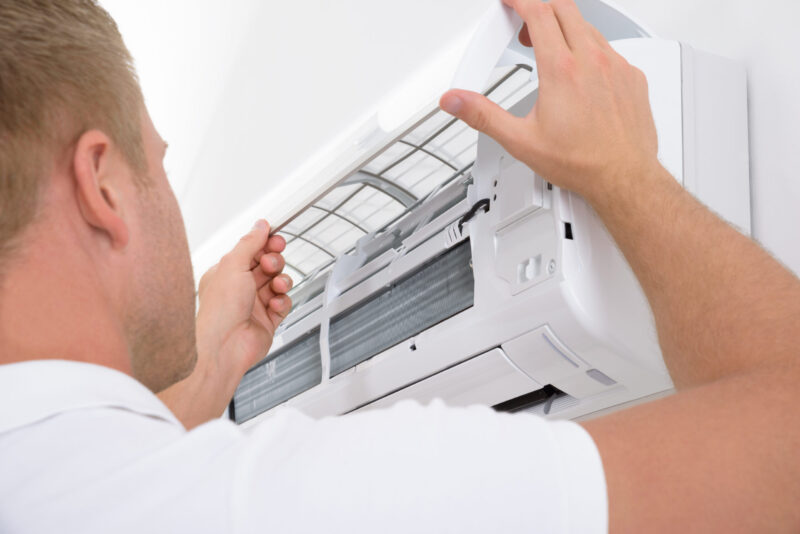
Overview
When your AC quits in Florida, the temperature inside can go from annoying to miserable fast. Same day AC repair matters because in places like Tampa, St. Petersburg, Bradenton, Sarasota, and Port Charlotte, waiting until tomorrow can mean a sticky night, a stressed system, and sometimes a bigger repair bill than you started with.
When your AC quits and you need help today
The familiar moment usually starts small. The air coming out of the vents feels a little less cool, the thermostat says one number while the room feels like another, and by late afternoon the house or building starts holding heat like an oven that never quite turned off. At 4:30 p.m. in Tampa, that can feel especially rough. The sun is still working, the humidity is hanging in the air, and every room starts feeling heavier by the minute.
That is where same day AC repair comes in. In plain terms, it means getting a technician out as quickly as possible, usually the same day you call, to figure out what failed and fix it if the problem can be handled on that visit. Sometimes it is a quick electrical part, a clogged drain, or a thermostat issue. Sometimes it is something bigger that needs a second trip or a special-order part.
Here’s the thing: fast action is not just about comfort. Florida heat and humidity put real strain on people, pets, electronics, inventory, and indoor air quality. If your AC is down in a home with an older adult, a baby, or anyone with a medical condition, the situation can move past inconvenient pretty quickly. The same goes for offices, retail spaces, server closets, and rentals with occupied units.
What same-day AC repair usually means
Same-day service usually means same-day scheduling, arrival, diagnosis, and a repair attempt right away. That is the normal expectation. A technician shows up, checks the system, identifies the problem, explains the fix, and if the part is available and the setup allows it, gets your cooling back on before leaving.
The catch is simple: same-day repair does not always mean a complete repair on every call. If your system needs a specialty part, has a major compressor issue, or uses older equipment that is harder to support, the same-day part may be the diagnosis and temporary stabilization rather than the full final fix.
That distinction matters because it helps you judge service promises realistically. A good company does not pretend every breakdown is a 30-minute repair. A good company gives you an honest answer, fast.
Emergency call vs. urgent same-day appointment
Not every urgent AC problem is an after-hours emergency, and the difference affects both timing and price.
An urgent same-day appointment usually happens during normal business hours or within the regular service day. Your system is failing, your home or business is getting uncomfortable, and you need a fast visit. This is common for no cooling, weak airflow, water leaks, or short cycling, which means the system keeps turning on and off too quickly.
A true emergency call usually means nights, weekends, or holidays, especially when the issue involves safety, major water damage risk, electrical smells, or a space that cannot reasonably wait until morning. Emergency service often costs more because it pulls technicians into off-hour dispatch.
If your AC stops at 10 a.m. on a Tuesday, that is usually an urgent same-day service issue. If your unit starts burning-smell electrical trouble at 11 p.m., that is a different level of call.
What counts as an urgent AC problem
Some AC problems deserve same-day attention almost automatically. No cool air is the obvious one, especially in high heat. A system that will not turn on at all is another. Burning smells, buzzing from the electrical side, ice on the indoor coil or refrigerant line, water leaking into the house, or very weak airflow while the thermostat keeps climbing also belong in the urgent category.
For businesses, urgency also depends on what the space does. A warm back office is one thing. A hot retail floor, restaurant prep area, tenant-occupied property, or room with heat-sensitive equipment is another. If the cooling problem is making a space unsafe, unusable, or likely to damage property, it is urgent.
Signs you should call right away instead of waiting
A lot of people wait because the problem feels borderline. Maybe the system is still running. Maybe some cool air is coming out. Maybe the hope is that it will “catch up” once the sun goes down.
Honestly, that is usually the wrong bet.
Air conditioners rarely heal themselves. Small failures tend to stack into larger ones, especially when the system keeps trying to run through the problem. Calling the same day can prevent a minor issue from turning into a failed motor, water damage, or a full overnight shutdown.
Warm air, weak airflow, or a unit that keeps shutting off
Warm air from the vents usually points to a few likely categories: thermostat problems, airflow restrictions, electrical component failure, frozen coils, or refrigerant-related trouble. Weak airflow often comes from a clogged filter, dirty coil, blower problem, or duct issue. A system that keeps shutting off may be overheating, losing electrical stability, or tripping on a safety control.
None of those are great to ignore.
If the AC is blowing but not cooling, your home can still keep getting hotter while the unit burns energy trying to do a job it cannot finish. If airflow is weak, the system may freeze up or strain harder. If it keeps shutting off, repeated restarts can add wear and leave you with no cooling at all later in the day.
Burning smells, buzzing, leaks, or frozen coils
A burning smell deserves quick attention because it can point to overheated wiring, a failing motor, or electrical components that are cooking themselves under load. Buzzing can mean electrical trouble too, especially around the contactor, capacitor, or compressor side of the system.
Water leaks are more than a nuisance. A clogged condensate drain can back water up into ceilings, closets, walls, or floors. In Florida humidity, that can turn into a mold and damage problem faster than most people expect.
Frozen coils are the classic “it looks cold so maybe it’s working” trap. If you see ice on the indoor unit or the insulated refrigerant line, shut the system off and call for service. Ice usually means the AC is not moving heat correctly. Letting it run longer often makes the thaw messier and the diagnosis slower.
When the issue is more than “just uncomfortable”
Sometimes the question is not whether the AC feels bad. The question is whether the heat is starting to create risk.
If you have babies, older adults, pets, or anyone with respiratory or medical concerns in the home, same-day service becomes much more important. Heat and humidity hit harder indoors when air movement drops and the house starts trapping moisture.
For businesses, the stakes shift a little. Customer comfort matters. Employee productivity matters. Equipment protection matters. In some spaces, cooling is part of keeping the place open at all. If the AC failure affects tenant habitability, electronics, inventory, or daily operations, waiting can cost more than the repair itself.
What to do before the technician arrives
Before the appointment, try the simple checks that are safe and worth your time. Not because the problem is probably your fault, it usually is not, but because five minutes of basic checking can sometimes save a service call or at least speed up the repair.
Check the thermostat, breaker, filter, and drain line
Start with the thermostat. Make sure it is set to cool, not fan or heat, and that the set temperature is actually below the room temperature. If it uses batteries, swap them if the screen is weak or unresponsive.
Next, check the breaker. If the AC breaker tripped once, reset it once. If it trips again, stop there. That points to a deeper electrical issue, not something to keep forcing.
Then look at the filter. If it is packed with dust, replace it. A badly clogged filter can choke airflow enough to cause weak cooling, icing, or shutdowns.
Finally, check for visible drain problems. If you can safely see standing water around the indoor unit or signs of a clogged condensate line, that detail is useful to report. Avoid taking anything apart beyond simple access points you already know.
Clear access to the indoor and outdoor units
A technician loses time when the air handler is blocked by storage bins, the attic hatch is buried, or the outdoor condenser is boxed in by overgrowth. Clear the path if you can.
Move boxes away from the indoor unit. Make sure gates are unlocked. If the outdoor condenser is surrounded by branches or heavy plants, trim back what you can safely reach. Secure pets ahead of time. In apartment buildings, offices, and commercial spaces, sort out entry instructions before the appointment window starts.
It sounds basic, but access problems are one of the easiest ways to turn a quick visit into a drawn-out one.
Have a few details ready
You do not need to diagnose the system. Just have the story straight.
Know when the problem started, what you noticed first, and whether the issue is constant or intermittent. Be ready to describe sounds, smells, leaks, warm air, weak airflow, or icing. If you know the approximate age of the system, that helps too. A 3-year-old unit and a 17-year-old unit often point the conversation in different directions.
What happens during a same-day AC repair visit
If you have never needed urgent AC service before, the process can feel a little opaque. It should not. A proper same-day AC repair visit follows a pretty clear flow: inspect, diagnose, explain, repair if approved and possible, then test.
Initial inspection and diagnosis
The first step is figuring out the actual cause. That sounds obvious, but it matters because one symptom can come from several different failures. Warm air does not automatically mean low refrigerant. Short cycling does not automatically mean a bad thermostat. Buzzing does not automatically mean a failed capacitor.
A technician typically checks thermostat function, power supply, breakers or disconnects, airflow, filter condition, drain performance, electrical readings, and visible condition of major components. Refrigerant clues may come from pressure readings, temperature split, icing patterns, and coil condition. Motors, capacitors, contactors, and wiring often get inspected early because those failures are common and often fixable on the spot.
A good diagnosis is not guesswork. It narrows the problem down before anyone talks price.
Upfront explanation and estimate
Once the problem is identified, you should get a plain-English explanation of what failed, what needs to be fixed, and what the repair is expected to accomplish.
A clear estimate usually separates the service or diagnostic charge from the repair itself, explains parts and labor, and notes whether there are options. For example, a visit may reveal a straightforward capacitor replacement, or it may reveal a fan motor issue with a temporary cooling option and a longer-term fix. What matters is that the explanation makes sense before work starts.
If the estimate feels vague, rushed, or built around pressure instead of clarity, that is a bad sign.
Repair, testing, and confirmation
If the part is available and you approve the work, the repair gets done on the same visit. After that, the system should not just be switched on and declared fixed. It should be tested.
That means checking that cooling is restored, airflow is normal, drainage is working, electrical operation is stable, and the system cycles the way it should. If the issue involved icing, leaks, or erratic performance, the follow-up testing matters even more. You want the repair confirmed, not guessed at.
Common problems that can be fixed the same day
A lot of urgent AC calls can be resolved in one visit, especially when the problem involves common control or airflow issues. That is one reason same-day service is worth pursuing instead of assuming a breakdown always becomes a multi-day ordeal.
Capacitors, contactors, fuses, and thermostat issues
These are some of the most common same-day fixes because they are standard failure points in many systems. A capacitor helps motors start and run. A contactor controls electrical flow to major components. Fuses protect circuits. Thermostats tell the system when to cool.
When one of these parts fails, the AC may not start, may blow warm air, or may behave unpredictably. The good news is that many service vehicles carry these parts or compatible options because the failures are so common.
Clogged drains, dirty coils, and airflow problems
Drain clogs, dirty evaporator or condenser coils, and airflow restrictions are also often handled same day. If a drain line is backed up, clearing it can stop leaks and restore proper safety operation. If a coil is dirty enough to hurt performance, cleaning may bring the system back to normal. If a filter is choking airflow, fixing that can change the whole picture quickly.
Not every dirty system becomes an emergency. But when heat, humidity, and long run times stack on top of neglected airflow, the effect can be immediate.
Minor wiring issues and some fan motor problems
Loose connections, damaged low-voltage wiring, failed wire ends, and certain fan-related problems may also be fixable during the first visit. The exact answer depends on the system layout and the part involved.
A condenser fan motor issue, for example, might be solved same day if the right motor or an approved replacement is available. Or it may need a return trip. That is why diagnosis matters more than assumptions.
Repairs that may take longer than a day
This is where a buyer’s guide needs to stay honest. Some AC problems simply do not fit into a same-day box, no matter how quickly service starts.
Special-order parts and older systems
If your unit uses an uncommon board, motor, or proprietary part, the delay is often about availability, not effort. Older systems can be especially tricky because parts stop being stocked locally or get discontinued entirely.
In that case, same-day service still has value because you get the diagnosis, the plan, and sometimes a temporary measure. But expecting every older system to be fully repaired the same afternoon is not realistic.
Compressor, coil, or major refrigerant repairs
Compressor failures, evaporator or condenser coil problems, and larger refrigerant repairs often take more time. The work is more involved, the parts cost more, and the repair may require ordering equipment, recovering refrigerant properly, pressure testing, and returning for completion.
If a leak is confirmed in a major component, the conversation tends to shift from “Can this be fixed today?” to “What is the smartest path from here?”
When replacement becomes part of the conversation
Sometimes the repair issue exposes a bigger truth: the system is at the end of the road.
If your AC is older, breaking down repeatedly, using obsolete refrigerant, or facing a repair bill that is a big chunk of replacement cost, replacement may come up for good reason. That does not mean every technician is upselling. It means the math may no longer favor patching the old unit again.
A useful rule is simple: if the system is aging, repairs are getting expensive, and performance has already been slipping, treat the repair conversation like a fork in the road, not just a bandage.
How much same-day AC repair usually costs
Most people want one number. Realistically, that is not how urgent AC repair works.
The total cost usually has three parts: the service call or diagnostic fee, the cost of the repair itself, and any timing premium for after-hours or emergency scheduling. The final bill moves up or down based on what failed, what part is needed, how hard the job is to access, and when the work happens.
Service call, diagnostic fee, and repair cost
The service call or diagnostic fee covers the visit and the process of identifying the problem. That is the cost of getting a trained technician to your property, testing the system, and narrowing the issue down correctly.
The repair cost is separate in many cases. That includes parts, labor, and the actual fix. Some companies apply the diagnostic fee toward repair work, and some do not. Ask before approving anything so the structure is clear.
This matters because a low advertised service call can look good until the repair pricing gets fuzzy. You want the full picture, not just the cheapest number on the first line.
What affects the total price
Several things push the price around. Timing is one. After-hours, weekend, and holiday service usually costs more. Part availability matters too. Standard truck-stock parts are usually easier and cheaper than specialty components.
System type also affects the bill. A straightforward residential split system is different from a package unit, ductless setup, or light commercial system with more access steps. Complexity matters as well. Swapping a common electrical component is one kind of job. Tracing intermittent electrical failure or dealing with refrigerant-side issues is another.
And then there is plain labor time. Tight attic access in July is not the same as a quick outdoor repair at ground level.
How to weigh repair vs. replacement
If the system is fairly new and the repair is reasonable, fixing it usually makes sense. If the system is older, less efficient, and asking for another large repair after several recent ones, replacement deserves a serious look.
Use a simple lens: age, repair cost, efficiency, repair frequency, and how long you plan to stay in the property. A 5-year-old system with a moderate repair issue is one thing. A 14-year-old system with poor humidity control, high power bills, and a major component failure is another.
The trick is not to treat every breakdown the same. Some repairs buy years. Some just buy time.
How to choose the right same-day AC repair company
When the house is heating up, it is easy to call the first number that pops up. Sometimes that works out. Sometimes it does not.
The best same-day AC repair company is not just the one that answers the phone. It is the one that can actually dispatch quickly, diagnose correctly, explain clearly, and service your part of Florida without turning your urgency into confusion.
Look for licensing, insurance, and local service coverage
Start with the basics. In Florida, HVAC work should be done by a properly licensed company, and the business should carry insurance. That protects you if something goes wrong and tells you the operation is built to do real service, not just chase quick calls.
Local coverage matters too. Service across Hillsborough, Pinellas, Manatee, Sarasota, and Charlotte counties means more than a map on a website. It means the company should understand the travel patterns, building styles, coastal wear, and summer demand spikes that shape same-day service in this region.
Ask about response time, truck stock, and communication
Same-day service depends on operations, not slogans.
A company needs dispatch capacity, realistic scheduling, stocked service vehicles, and good communication. Ask what the arrival window is, not just whether “same day” is available. Ask what happens if the technician finds a common part failure. Ask whether updates are sent if the schedule shifts.
Clear communication matters more than a flashy promise. When the AC is down, vague answers are exhausting.
Pay attention to pricing clarity and repair explanations
The right company explains the issue in normal language and gives you a straightforward estimate. You should understand what failed, what the repair includes, and what happens if the repair does not solve the deeper issue because another problem appears during testing.
Pressure is a red flag. So is confusion. If the explanation feels like a magic trick with a clipboard, slow down. You are not just buying speed. You are buying a diagnosis that makes sense.
Questions to ask when you call
When the temperature indoors is rising, phone calls need to be short and useful. A few direct questions can tell you a lot.
Can you come today, and what time window should you expect?
This gets past generic “yes, same-day service” language and into real availability. You need the time window, not just the promise.
Is the diagnostic fee separate from the repair?
This tells you how the billing works and helps you compare calls more fairly. A cheap dispatch number can hide a more expensive total.
What happens if the part is not available today?
This question matters more than most people think. It tells you how honest the company is about limitations and what the follow-up plan looks like.
Do you service homes, rentals, and commercial spaces?
If you are calling for a rental, office, store, or mixed-use property, make sure the company handles that kind of work and can coordinate access, approvals, and scheduling without turning one repair into five phone calls.
Common mistakes to avoid in an AC emergency
Urgent AC problems tend to make people do one of two things: wait too long or rush into the wrong repair decision. Both can cost you.
Waiting too long in extreme heat
If the AC is clearly failing, hoping it fixes itself is usually how a daytime problem becomes a late-night one. In Florida heat, systems do not get much rest, and weak parts tend to fail harder under load.
Calling early in the day gives you a much better shot at same-day arrival, same-day parts access, and less indoor heat buildup.
Focusing only on the lowest price
The cheapest offer can be attractive when you are stressed. But very low pricing sometimes comes with thin diagnostics, rushed labor, or surprise add-ons once the visit starts.
Price matters. Clarity matters more. A fair estimate with a real diagnosis beats a bargain that leaves you calling again in two days.
Trying risky DIY electrical or refrigerant work
Changing a filter, checking the thermostat, or looking at the breaker is fine. Opening electrical panels, forcing capacitor swaps, or touching refrigerant components is not.
That is where a simple home issue can become an injury, damaged equipment, or a much more expensive repair. If the task goes beyond safe basics, stop.
Same-day AC repair for homes vs. businesses
Residential and commercial AC calls are not the same, even when the complaint sounds identical.
What homeowners usually care about most
At home, the big concerns are comfort, sleep, humidity, family safety, and avoiding water damage. If your AC goes down, the house starts feeling sticky fast, and that damp indoor feeling is often almost as miserable as the heat.
You usually want speed, clear communication, and a repair that gets the house livable again without dragging into a two-day mystery.
What businesses need from urgent service
For a business, the problem expands. Employee comfort matters, but so do customers, operating hours, equipment, access coordination, and lost revenue. A retail shop without cooling feels different from a home without cooling, not because the heat is different, but because the downtime has a price tag attached.
Urgent business service should account for building access, unit location, tenant communication, and the need to keep disruption as low as possible.
What to expect in Florida’s gulf coast heat and humidity
Florida’s Gulf Coast is hard on AC systems. That is just the truth.
Why systems strain harder in summer afternoons
Summer afternoons are brutal because heat and humidity peak together while the system has often already been running for hours. Long run times expose weak capacitors, clogged drains, dirty coils, airflow restrictions, and aging motors. A unit that seemed “mostly fine” at 9 a.m. can give up by late afternoon once everything is fully loaded.
That is why urgent calls spike on the hottest days. Weak parts finally lose the argument.
Salt air, storms, and year-round wear
Coastal air speeds up corrosion on outdoor components. Storm season adds electrical stress, surge events, debris, and drainage problems. Even inland areas feel the effects of near-constant cooling demand for much of the year.
The result is simple: your AC is not living an easy life here. Same-day repair demand is high because local conditions give systems plenty of chances to wear down before you ever notice the warning signs.
How to lower the odds of another urgent breakdown
No maintenance plan can promise zero breakdowns. But a few habits make sudden failures less likely.
Change filters and keep airflow open
A clean filter is one of the easiest wins you have. It supports airflow, helps the system cool properly, and reduces strain on the blower and coil. Keep vents open, keep returns clear, and avoid crowding the indoor unit with storage.
It is boring advice, sure. It also works.
Schedule tune-ups before peak heat
Preventive service before the hardest stretch of summer is like swapping worn tires before a highway trip instead of after the blowout. The point is not perfection. The point is catching weak electrical parts, drainage issues, dirty coils, and performance drift before a 95-degree afternoon turns them into an urgent call.
Spring and early summer are usually better timing than waiting for the first major heat wave.
Notice the small warning signs early
Short cycling, new noises, weak airflow, rising indoor humidity, and unexplained power bill jumps are all early hints that the system is slipping. Act on those signs early, and you often get a simpler repair, a better appointment window, and a lot less discomfort.
Quick FAQ about same day AC repair
How fast can same-day AC repair happen?
It depends on the call load, your location, the time of day, and whether the issue needs emergency dispatch or standard same-day scheduling. In many cases, same-day means an arrival window that day, not immediate arrival within the hour.
Can every AC problem be fixed in one visit?
No. Many can, especially common electrical, thermostat, airflow, and drainage problems. Bigger repairs depend on part availability, equipment age, and the exact failure.
Should you turn the AC off if it’s making strange noises?
If the sound is loud, sudden, buzzing, grinding, or paired with a burning smell, turn it off and wait for service. If the issue involves visible ice, shut it down as well.
Is same-day service available after hours or on weekends?
Often yes, but that usually falls under emergency service rather than standard same-day scheduling. Expect different pricing and availability.
What should you try before calling?
Check the thermostat settings, thermostat batteries, breaker, filter, and any obvious visible leak or ice. Stick to safe basics. If the issue is still there, stop troubleshooting and get the call in early.
The simplest way to approach an urgent AC repair
When your AC quits, the smartest move is not to panic and not to wait. Check the safe basics, call early, ask clear questions, and choose the company that gives you a real timeline and a plain-English diagnosis. Then, once the system is back on, do one simple thing: replace the filter if it is due and put a tune-up on the calendar before the next stretch of serious heat.
- Disclaimer: This article is for general informational purposes only. It is not professional advice, a quote, or a service agreement. Conditions at your home or property may differ; contact a qualified professional for an on-site evaluation before making repair, safety, or spending decisions.