A Four-Head Mini-Split Is Four Indoor Units to Maintain
One outdoor mini-split system can serve several rooms, but every indoor head has its own filter, coil, fan, drain, sensor, airflow, and usage pattern.
One outdoor unit does not mean one maintenance point
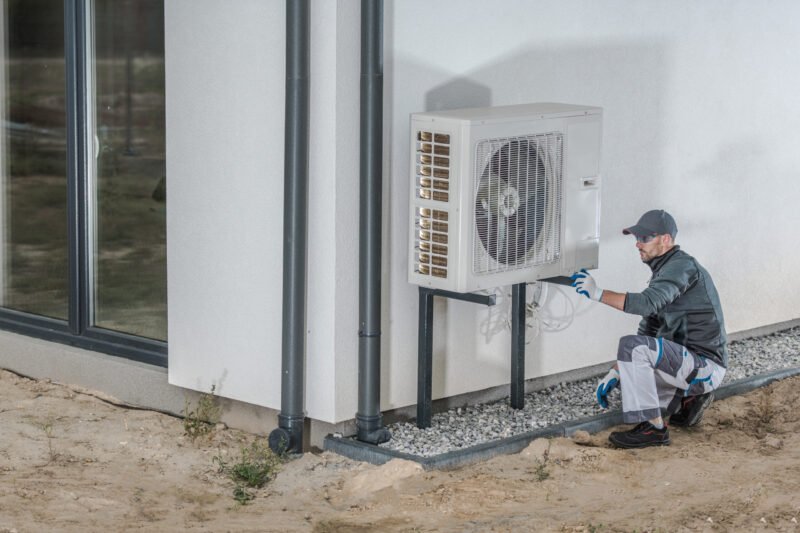
A multi-head mini-split system can use one outdoor unit to serve several rooms. That makes the equipment look centralized from outside. Inside the house, each room still has its own indoor head with a filter, coil, fan, drain, sensor, controls, and local airflow pattern.
The bedroom head may run every night. The guest-room head may sit unused for weeks. The garage unit may collect more dust than the office unit. We service ductless equipment throughout Greater Tampa Bay and Southwest Florida through mini-split repair. Our published repair process includes evaluating both indoor and outdoor components rather than assuming one outdoor unit means one maintenance point.
Manage the system head by head.
Label every indoor unit
A service note stating that the mini-split leaks is difficult to use when the house has four heads. Create a simple equipment list with the room, indoor-unit model, remote or thermostat type, typical schedule, last filter cleaning, and any known issue. Photograph the model label where it is safely accessible.
This helps us identify which head is affected and whether several indoor units share the same symptom. Keep that list with the rest of your HVAC records alongside notes from about us and prior service visits.
Clean filters based on room use
We recommend regular mini-split filter cleaning and specifically note that monthly cleaning may be appropriate, particularly when pollen and airborne material are accumulating. The room environment matters. A unit may need closer attention when it serves a garage or workshop, a room with pets, a heavily used bedroom, a home office operating every day, a room near an exterior door, a renovated area, a space with frequent candle or cooking residue, or a rental or guest suite.
Follow the manufacturer's cleaning instructions and shut the equipment down appropriately before removing accessible filters. Do not spray cleaners into the equipment or disassemble internal components without professional guidance. Related indoor air questions can also sit under indoor air assessment.
One head can have a drain problem while the others cool normally
Each indoor unit produces condensate while cooling. The water has to move through its assigned drain route. A blockage, poor slope, loose connection, pump issue, or dirty internal section can affect one head while the outdoor system and other rooms continue operating.
Document which unit leaks, where water appears, time since startup, cooling mode and setpoint, whether the drain uses gravity or a pump, whether the problem follows heavy rain, any recent wall or ceiling work, whether the head was recently cleaned, and whether the unit shuts down. We list clogged drain lines and internal ice as possible contributors to water appearing around a mini-split.
Turn the affected unit off and request service rather than repeatedly drying the wall while allowing the source to continue. Central drain and cooling symptoms can also be evaluated through A/C repair when the property has both system types.
Different temperatures do not automatically mean equipment failure
A multi-zone system allows rooms to operate differently. That flexibility can also produce confusing household complaints. One person keeps the office at 72 degrees. The guest room remains off. The bedroom is set lower overnight. Doors open and close. Sun exposure changes through the day.
Before calling, compare setpoints, mode, fan setting, door position, filter condition, sun exposure, occupancy, head location, furniture blocking airflow, and time allowed to reach temperature. If one head clearly behaves differently under comparable conditions, tell us which comparison you made. That is more useful than reporting that the rooms do not all feel identical when the controls are intentionally different. Control questions can also go through thermostat repair and installation.
The indoor fan wheel, coil, and refrigerant deserve professional attention
A washable filter catches some material. It does not keep every internal surface permanently clean. Our mini-split service process includes cleaning indoor and outdoor components where appropriate and inspecting airflow, coils, fans, refrigerant performance, controls, and electrical components.
Professional service may be appropriate when a head develops persistent odor, reduced airflow, visible buildup beyond the filter, water leakage, new fan noise, ice, uneven temperature, repeated shutdown, or error codes. Do not reach deep into the fan or coil area with improvised tools.
When refrigerant is low because of a leak, the technician should identify and repair the leak before adding the correct amount of refrigerant. A sealed system is not supposed to consume refrigerant like fuel. Ask whether a leak was identified, where it was found, whether it is in an indoor head, outdoor unit, line set, or connection, what repair is recommended, whether all zones will be tested afterward, whether any parts are under warranty, and whether the same system has been recharged before. A repeated recharge without an explained cause deserves a clearer diagnostic conversation.
Outdoor-unit care and unused heads still matter
The shared outdoor unit contains the compressor, coil, fan, controls, and other components serving the connected indoor heads. Keep the outdoor area free from dense vegetation, leaves, stored items, yard debris, fencing placed too close, discharge from gutters, irrigation spraying directly onto equipment, pet damage, and construction dust. A fault at the outdoor unit can affect every indoor head, while a dirty filter or drain problem may affect only one room.
A guest-room mini-split can sit idle for months. Do not wait until visitors arrive at night to discover that the remote has dead batteries, the filter needs cleaning, the drain leaks, or the head produces an odor after startup. Several days before use, inspect the accessible filter, confirm the remote or wall control works, run the unit, listen for new sounds, check for water, confirm airflow, verify the room reaches the setpoint, and return the settings to the intended schedule.
Keep one service record for the outdoor system and separate notes for each head. Shared records should include outdoor-unit model, installation date, refrigerant work, electrical repair, outdoor-coil service, warranty information, and professional maintenance dates. Individual heads need room, model, filter cleaning, drain problems, coil or fan cleaning, remote replacement, error codes, and repair history.
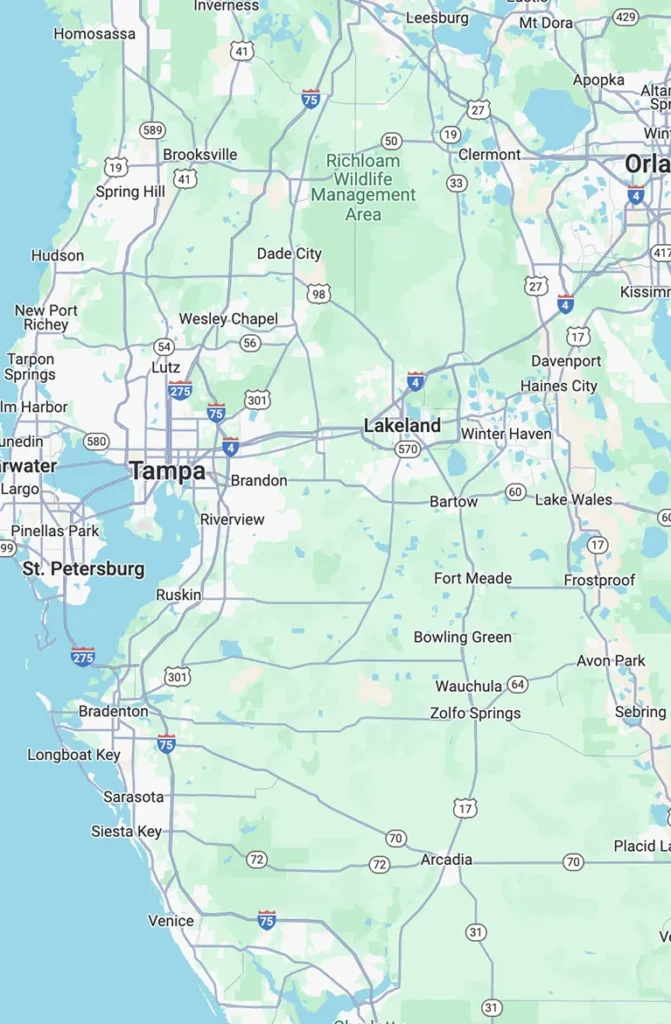
Browse maintenance plans, dehumidifier services, and financing options when you are planning care across several heads. Call (813) 400-0123 or use contact us for ductless diagnosis, repair, installation, and maintenance across Hillsborough, Pinellas, Manatee, Sarasota, and Charlotte counties.