
Heat Pumps Explained: How They Work in Florida Homes
Heat Pumps move heat from one place to another, which is why the same system can cool your house in August and warm it up on a cool Florida morning. If you’ve ever wondered why so many homes...
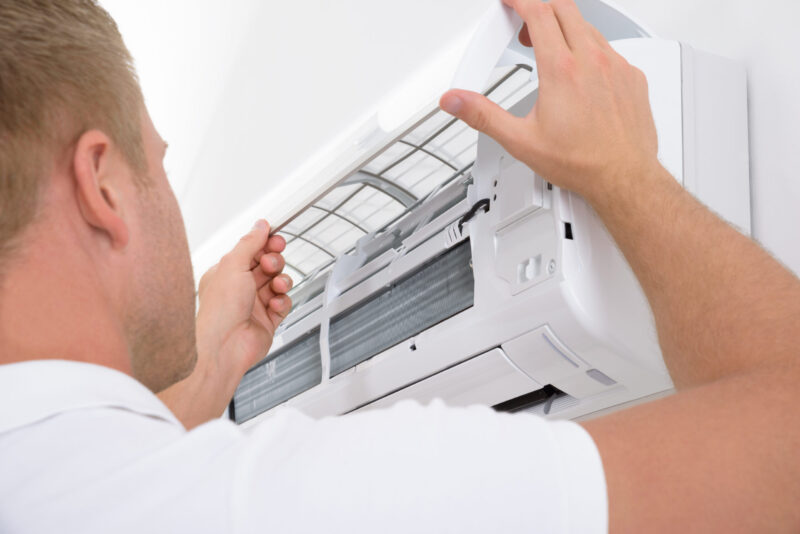
Overview
Heat Pumps move heat from one place to another, which is why the same system can cool your house in August and warm it up on a cool Florida morning. If you’ve ever wondered why so many homes around Sarasota, Brandon, and the Gulf Coast use them, the short answer is simple: they make a lot of sense in a place where air conditioning does most of the work and winter usually stays pretty mild.
What a heat pump is and why florida homes use them
A heat pump is an HVAC system that transfers heat instead of creating it from scratch. That sounds technical, but the idea is actually familiar. In summer, your system pulls heat out of your house and sends it outside. In winter, it does the reverse and pulls heat from the outdoor air to bring indoors.
That matters in Florida because your weather rarely asks for deep, heavy-duty heating. More often, your system needs to handle a sticky August afternoon in Sarasota, then switch gears for a chilly January morning in Brandon. A heat pump does both jobs with one setup, and that’s a strong match for local homes.
The simple version: it works like an [air conditioner](/service/ac-repair/) that can run in reverse
Here’s the easiest way to picture it: a heat pump is basically an air conditioner with a second trick.
In cooling mode, it behaves like standard central AC. It removes heat from inside your home and dumps that heat outdoors. In heating mode, it flips direction and gathers warmth from outside air, even when that air feels cool, then moves that warmth indoors.
So if central AC already makes sense to you, you’re most of the way there. The difference is that a heat pump can reverse the process.
How heat pumps work in everyday terms
A heat pump works by absorbing heat, carrying it somewhere else, and releasing it. Think of it like a delivery service for heat. It picks heat up in one location and drops it off in another.
That’s why people compare it to a refrigerator in reverse. Your refrigerator removes heat from inside the fridge and pushes it into your kitchen through the coils on the back or underneath. A heat pump does something similar for your home, just on a larger scale and in either direction depending on the season.
The outdoor unit, indoor unit, and refrigerant
Most heat pumps have an outdoor unit and an indoor unit connected by lines that carry refrigerant, which is the fluid that moves heat through the system.
The outdoor unit handles heat exchange with the air outside. The indoor unit handles heat exchange with the air inside your home. Between them, refrigerant circulates through the system, picking up heat in one place and releasing it in another.
That refrigerant is doing the heavy lifting. It changes state as it moves through the system, which helps it absorb and release heat efficiently. You don’t need to memorize the chemistry to understand the point: it’s the heat-carrying middleman.
Why pressure matters
Pressure is the trick that makes the whole thing work.
When refrigerant gets compressed, its temperature rises. When its pressure drops, its temperature falls. That change is what allows the system to grab heat from one area and release it in another. The system isn’t making heat out of nowhere. It’s controlling temperature and pressure so heat moves where you want it.
If that sounds abstract, picture a bike pump warming up in your hand as you compress air. Same basic idea. Pressure changes temperature, and the heat pump uses that principle constantly.
What changes when your system switches from cooling to heating
The key part here is the reversing valve. That component changes the direction the refrigerant flows.
In cooling mode, your system pulls heat from indoor air and sends it outside. In heating mode, the reversing valve flips the cycle so the system pulls heat from outdoor air and releases it inside your house. Same equipment, different direction.
That’s why the day-to-day experience feels so seamless. You set the thermostat, and the system changes roles without needing separate cooling and heating machines.
Why heat pumps make sense in florida
Heat pumps are a strong match for Florida. That’s not marketing fluff, it’s just how the climate lines up with the technology.
Your cooling season is long, humid, and demanding. Your heating season is usually short and moderate. A system that cools efficiently and handles mild winter weather without much trouble fits that pattern really well.
Strong cooling performance for long, humid seasons
In cooling mode, a heat pump works a lot like central AC. So if your biggest concern is surviving long, hot months in Pinellas, Manatee, or Charlotte County, you’re not giving up cooling performance.
You’re still getting refrigerated cooling, moving heat out of the house, and circulating conditioned air through your ductwork. That familiar blast of relief when you step in from a Florida afternoon, that’s exactly the job a heat pump is built to do.
Efficient heating for mild winter weather
Heating is where the local climate really helps.
Because Florida winters are usually mild, a heat pump doesn’t have to fight through long stretches of extreme cold. It can keep pulling usable heat from outdoor air during most winter conditions in the Tampa Bay area and along the Gulf Coast. That tends to make heating more efficient than systems that create heat using electric resistance alone.
One system instead of separate heating and cooling equipment
There’s also a practical side that people appreciate fast: one major system handles both jobs.
That can mean a simpler setup for many homes, fewer big pieces of equipment to think about, and one thermostat controlling year-round comfort. For a lot of properties, that’s just easier to live with.
Heat pump vs. traditional HVAC systems
A heat pump isn’t magic. It’s just a different approach from systems that only cool or that generate heat in a more direct way.
The biggest difference for you is how the comfort feels and how the system operates through the year.
Heat pump vs. central AC
A central air conditioner only cools. A heat pump cools the same way, but it can also heat.
In everyday use, cooling can feel nearly identical. Your home gets cooler, humidity drops, and air moves through the vents just like you’d expect. The bonus is that the same equipment can switch into heating mode when temperatures dip.
Heat pump vs. furnace
A furnace creates heat, usually by burning fuel or using electric resistance, then pushes that heated air through your home. A heat pump moves existing heat from outdoors to indoors.
Because of that, furnace air often feels hotter when it comes out of the vent. Heat pump air usually feels gentler. But gentler doesn’t mean worse. In Florida, that more even, steady warmth is often perfectly comfortable.
Heat pump vs. electric heat strips
Electric heat strips are backup heating elements found in some heat pump systems. They can help when outdoor temperatures drop or when the system needs extra support.
The catch is that heat strips usually cost more to run than the heat pump itself. So if auxiliary heat comes on too often, your electric bill can jump. That’s one reason proper sizing, setup, and maintenance matter so much.
Common questions florida homeowners ask about heat pumps
Heat pumps get talked about a lot, but most questions come down to comfort, cost, and fit.
Do heat pumps work when it gets cold?
Yes, especially in Florida.
Heat pump efficiency can drop as outdoor temperatures fall, but that’s a much bigger concern in northern states than in Hillsborough, Pinellas, Sarasota, or nearby areas. Local winters are usually well within the range where a heat pump performs effectively.
Are heat pumps energy efficient?
Usually, yes. Since a heat pump transfers heat instead of generating it directly for most heating needs, it often uses less energy than electric resistance heating.
That doesn’t guarantee a tiny bill every month. Duct leaks, poor insulation, thermostat settings, and system condition still matter. But the technology itself is built around efficient heat transfer, and that tends to show up in lower heating energy use.
Do heat pumps remove humidity too?
Yes. In cooling mode, a heat pump removes humidity much like a standard AC system.
That’s a big deal in Florida, because comfort isn’t just about temperature. A house at 76 degrees can still feel miserable if the air is damp and sticky. A properly working heat pump helps with both cooling and moisture removal.
Are heat pumps right for every home or commercial space?
Not automatically.
Home size, insulation, duct condition, system age, and how the space gets used all affect whether a heat pump is the best fit. The same goes for small commercial spaces. An office, retail space, or rental property with decent ductwork and long cooling seasons may be a very good candidate. A building with major air leakage or an aging duct system may need other fixes first.
Signs your heat pump needs service or replacement
Even a good system gives warnings when something’s off. The trick is noticing them before a small repair turns into a full breakdown in July.
Warning signs to notice
Pay attention to weak airflow, uneven temperatures, strange noises, short cycling, ice buildup, rising electric bills, or a unit that seems to run all day without catching up. None of those signs are normal.
Sometimes the issue is simple, like a clogged filter or thermostat problem. Sometimes it points to refrigerant issues, airflow restrictions, or worn components. Either way, a struggling heat pump rarely fixes itself.
Repair or replace?
A repair often makes sense when the problem is isolated and the system is still in decent shape. But if your unit is older, keeps needing service, or never quite solves comfort problems, replacement may be the smarter move.
Here’s the simple rule: if you’re paying repeatedly to keep an aging system limping along, swapping it out can be the better long-term fix.
What to do next if you're considering a heat pump
If a heat pump sounds like a fit, start with one simple thing: check the age of your current system. That number tells you a lot, especially if your equipment struggles every summer or your winter heating bills keep surprising you.
Questions worth asking before you choose a system
Ask about sizing, efficiency ratings, duct condition, thermostat compatibility, and whether the setup fits your home or building in Hillsborough, Pinellas, Manatee, Sarasota, or Charlotte County. Those details matter more than flashy sales language.
A heat pump is easy to understand once you stop thinking of it as a mysterious machine. It’s just a system that moves heat where you need it. Try this before peak heat hits: look at your current unit’s age and performance, because that one quick check can tell you if it’s time for service, a repair, or a full swap.
- Disclaimer: This article is for general informational purposes only. It is not professional advice, a quote, or a service agreement. Conditions at your home or property may differ; contact a qualified professional for an on-site evaluation before making repair, safety, or spending decisions.